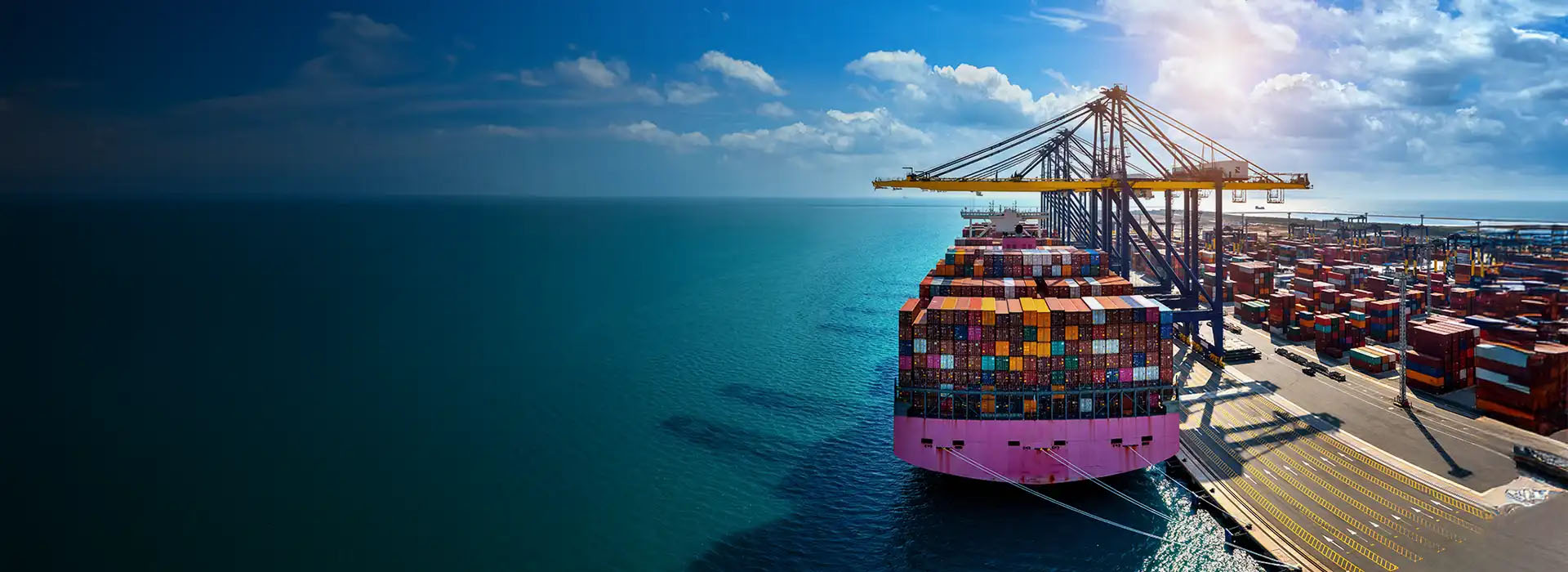
Reducing Shipment Frequency by Improving Load Efficiency
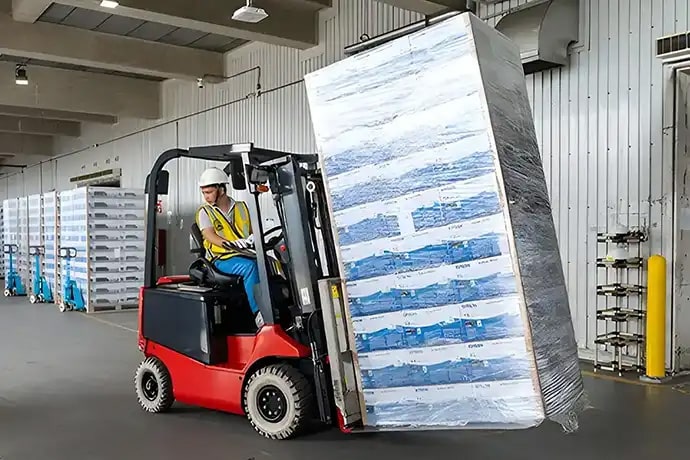
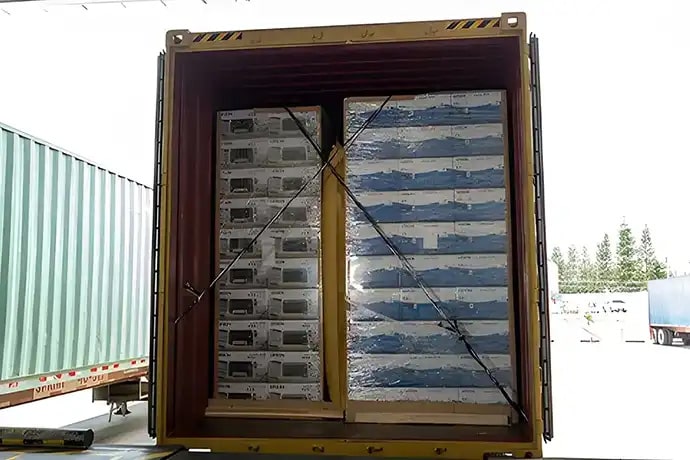
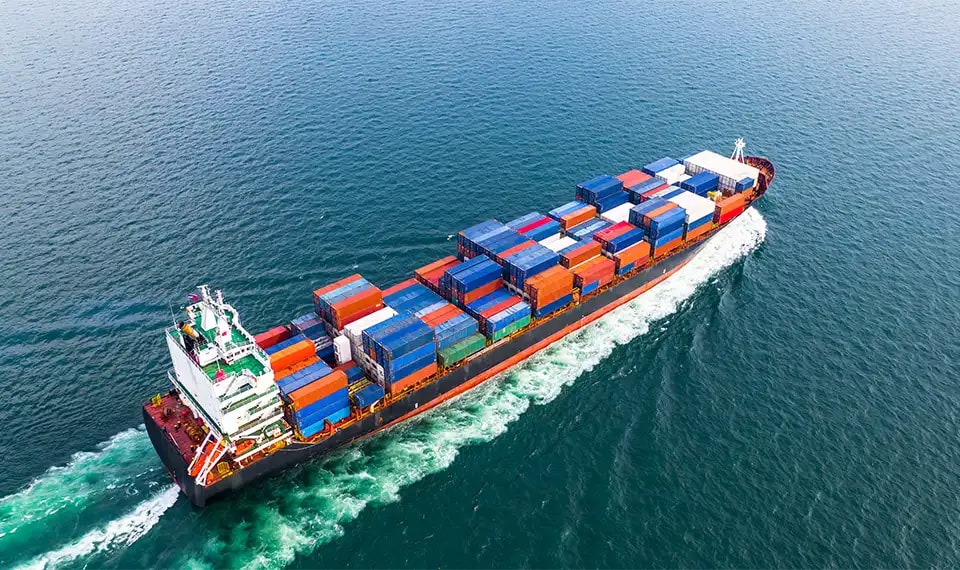
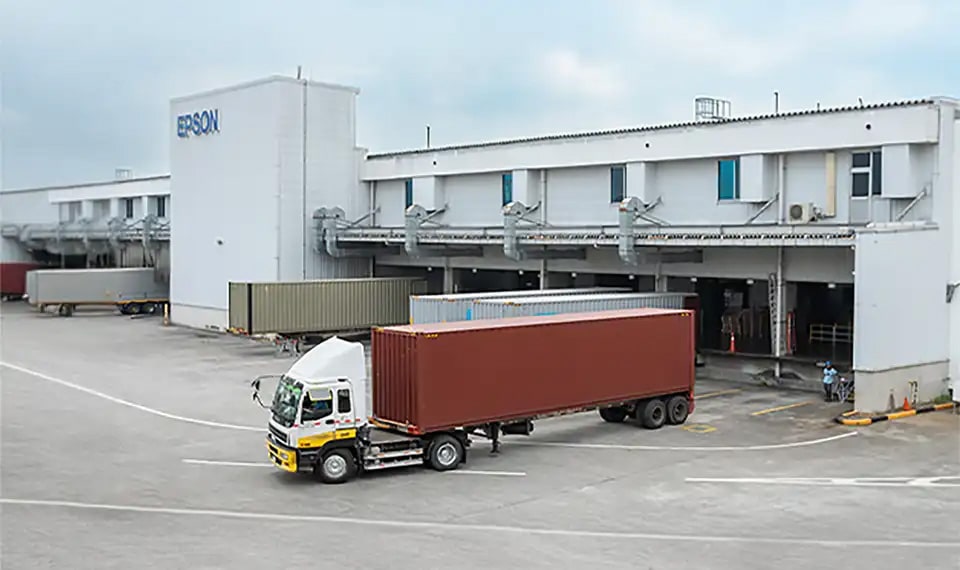
In logistics, transporting the same amount of goods more efficiently leads to reduced GHG emissions. Epson had been gradually replacing standard containers used for maritime transport with high-cube containers2, working with warehouse staff and dealers. This has increased the loading capacity per container by 14.3%. We continue to work on improving loading efficiency through product miniaturization, optimizing the combination of transported products and utilizing sheet pallets.

See some of the things we are doing to enrich the future
At Epson, our employees face societal issues head-on in an effort to achieve sustainability and enrich communities.


1 Reference link: Vision | Sustainability | Epson
2 High-cube containers have the same width and length as the standard containers but are about 30 cm taller, offering approximately 12 % more capacity.
Reference link: Value-Chain Case | Sustainability | Epson
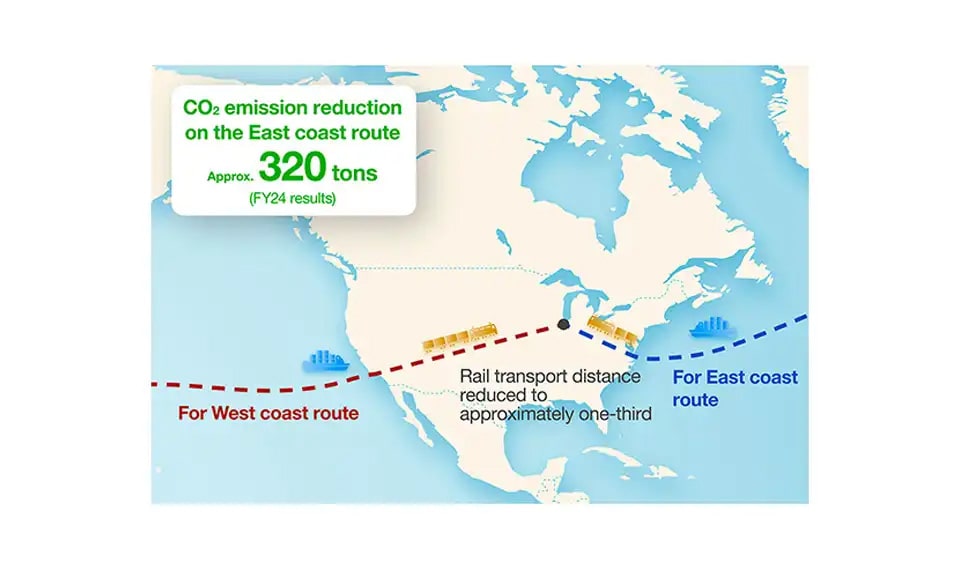
3 Actual number for 2024 if some of the routes from Southeast Asia (Indonesia and Thailand) to the west coast of North America are switched to routes to the east coast of North America
4 Fuels that emit fewer greenhouse gases than conventional heavy fuel oil
5 Compared to using standard fossil fuels on specific routes
6 Compared to standard fossil fuels. Actual number for the route, from Southeast Asia to Europe, from October 2024 to March 2025.